
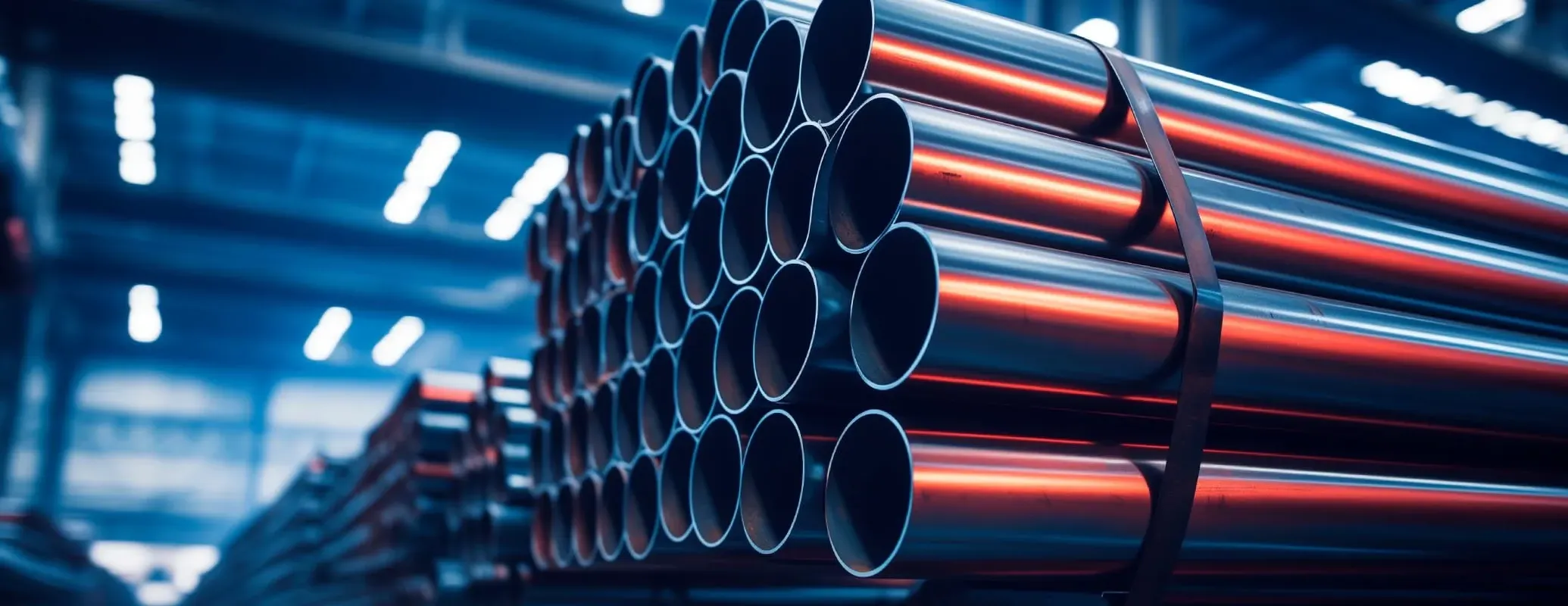
Materials Expertise
Our Materials
From alloy and carbon steels to stainless, chrome, and nickel alloys — discover the right material for your toughest challenges. Dive deep into grades, properties, and applications.
Build With Confidence
Metals For Every Application
We supply a comprehensive range of steel and alloy products, each engineered for specific performance in demanding environments. Explore the categories below to learn more about their unique characteristics and available grades.
Alloy Steel
A steel alloy is created when other metals are added to the basic combination of iron and carbon, improving its properties. Looking for higher strength, corrosion resistance or better response to heat treatment? There's an alloy for that. When the percentage of alloy material is below the level indicated by specialized terms such as "chrome" or "stainless," the product is simply called "alloy steel."
Key Characteristics
- Enhanced strength through alloying elements
- Improved heat treatment response
- Better wear resistance
- Controlled molybdenum, vanadium, or nickel content
Applications
- Drilling equipment
- Tubing and casing
- Mechanical components
- High-strength fasteners
Carbon Steel
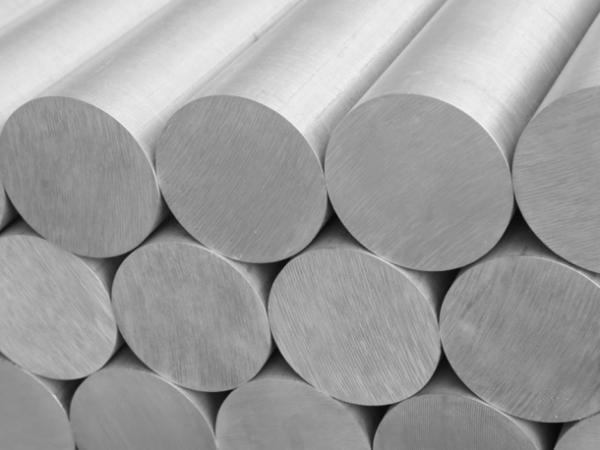
By definition, all steel is a mixture of iron and carbon. Steel to which no alloy elements have been added is called "carbon steel." Carbon steel is used where moderate strength is needed in a non-corrosive environment. When other elements (chromium, molybdenum, nickel, vanadium, etc.) are added intentionally, it becomes an "alloy steel" - but it still contains carbon.
Key Characteristics
- Fundamental iron-carbon combination
- No specialized alloy additions
- Cost-effective material
- Good weldability
Applications
- General mechanical tubing
- OCTG applications (J55, K55, N80)
- Structural components
- Standard fasteners
Stainless Steel
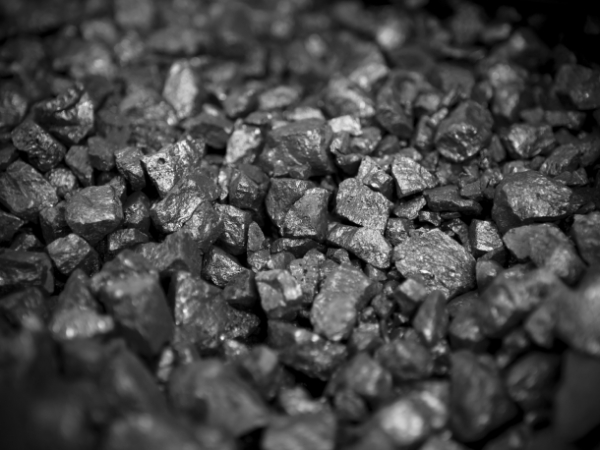
Stainless steel is alloy steel to which at least 10.5% chromium has been added. The chromium forms a film of chromium oxide, one or two atoms thick, on the surface of the steel. This acts as a barrier to corrosion, making the material stain-resistant. Stainless is available in a wide variety of chemistries made for environments ranging from mildly corrosive to highly corrosive, and can have chromium content up to the 20%-plus range. Nickel is also a component of most stainless steel alloys.
Key Characteristics
- Minimum 10.5% chromium content
- Excellent corrosion resistance
- Passivation layer provides protection
- Variable nickel content options
Applications
- Corrosive downhole environments
- Saltwater applications
- Chloride-containing atmospheres
- Food and beverage equipment
Chrome Steel
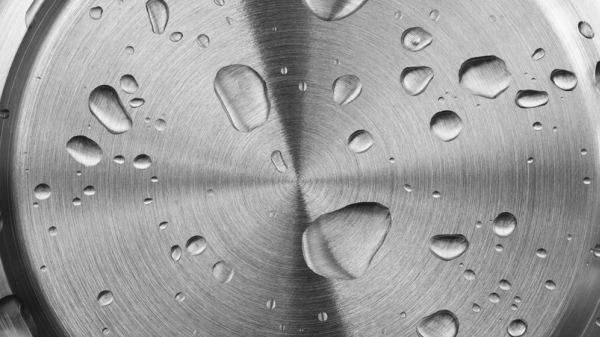
Commonly called chrome, the alloy referred to here is actually chromium. Chromium is added to steel in small quantities to improve strength, corrosion resistance and response to heat treatment. At 3% to 10% chromium, steel resists corrosion, but is not actually stainless. At 10.5% to 20% or more chromium, the steel is fully stainless. Chrome, super-chrome and hyper-chrome are steels below the stainless level with increasing chromium content. These metals are used in mildly corrosive environments containing chlorides, carbon dioxide and low hydrogen sulphate concentrations.
Key Characteristics
- Higher chromium content than alloy steels
- Improved corrosion resistance
- Cost-effective alternative to stainless
- Better resistance in CO2 and mild chloride environments
Applications
- CO2 environments
- Mildly saline conditions
- Low hydrogen sulphate exposure
- Oil and gas wellbores
Nickel Alloys
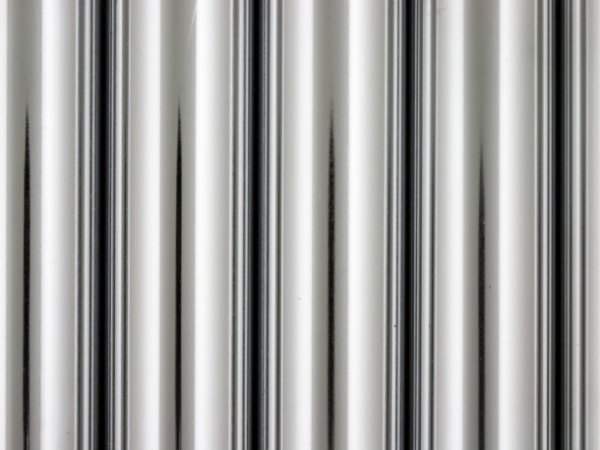
Nickel alloys are not steels. As the name suggests, they are based on nickel, with other elements added for specific purposes. Some nickel alloys are hardened by heat treatment; others are strengthened by cold working. They cannot be strengthened by quenching and tempering, as steels can. Nickel alloys are extremely corrosion-resistant, even at very high strength levels. They are significantly more expensive than steel.
Key Characteristics
- Extreme corrosion resistance
- Superior toughness at high strength
- High-temperature capability
- Excellent weldability
Applications
- Extreme corrosive environments
- High-pressure, high-temperature wells
- Highly sour service (H2S)
- Deep subsea equipment
OCTG
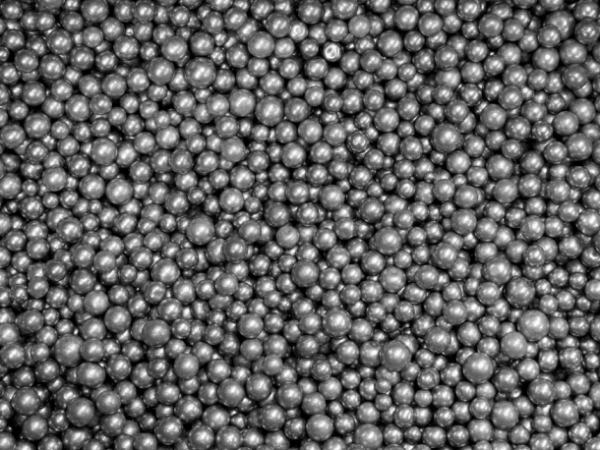
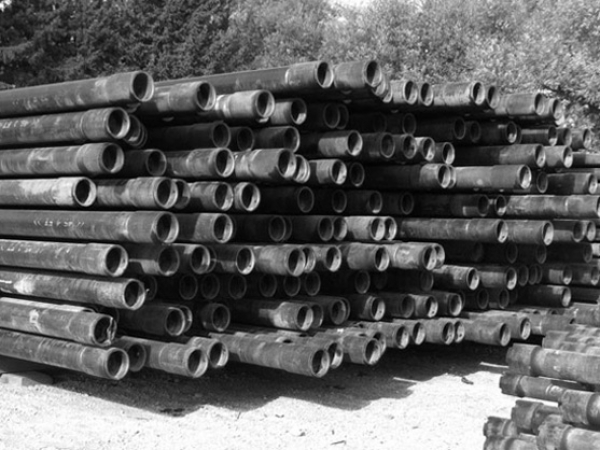
Oil country tubular goods can be either seamless (hot-pierced) or seam-welded. The seamed, electric-resistance-welded material costs less than seamless, and is available in almost every American Petroleum Institute grade. The ERW process uses both heat and pressure to create a true forged weld. Some end users, however, feel the weld represents a liability - and for critical applications such as offshore extraction, seamless is preferred. See API Specification 5CT for Casing and Tubing for a complete description of sizes, grades and performance properties of OCTG.
Key Characteristics
- Subject to extreme stress in oil and gas environments
- Available in seamless hot-pierced or seam-welded forms
- ERW options provide a lower-cost forged weld solution
- Seamless preferred for critical offshore applications
Applications
- Well casing
- Production tubing
- Drilling and completion operations
- Offshore extraction
Get Started Today
Ready to Streamline Your Operations?
Partner with us to optimize your supply chain, reduce costs, and accelerate growth. Get a customized quote tailored to your specific needs.
- Core Product Categories
- 6
- Facilities Worldwide
- 5
- Certified
- ISO 9001
- Value-Added Services
- 8+